
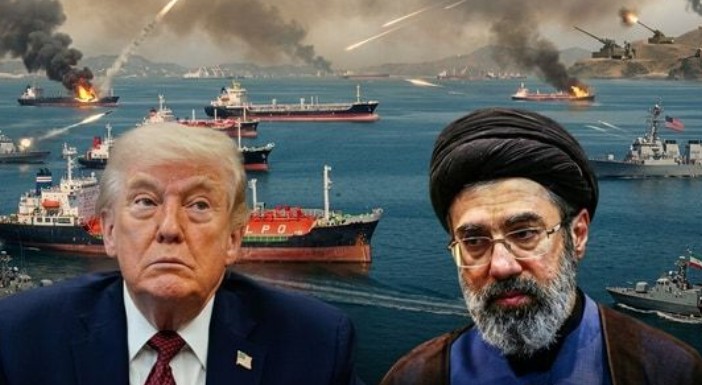
The United States and Iran have formally signed a landmark 14-point agreement aimed at ending hostilities in West Asia, reopening the strategically vital Strait of Hormuz and launching a structured process for negotiating a broader and lasting peace settlement.
The agreement, described by both sides as a major diplomatic breakthrough, was announced after weeks of intense negotiations amid growing international concern over the escalating conflict and its impact on global energy markets, maritime trade and regional stability.
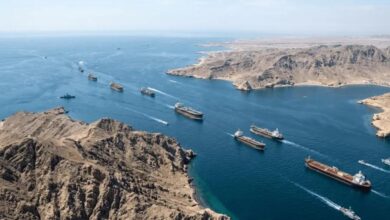
Under the accord, both countries have committed to an immediate cessation of hostilities and the restoration of secure commercial navigation through the Strait of Hormuz, a maritime corridor through which a significant portion of the world’s oil supplies passes.
The agreement also outlines a framework for phased sanctions relief, restoration of financial channels, access to frozen Iranian assets and a 60-day diplomatic process intended to address outstanding political, economic and security issues.
A central component of the accord relates to Iran’s nuclear programme. The agreement reportedly includes provisions for continued international oversight and verification mechanisms designed to address concerns surrounding nuclear activities while preserving Iran’s right to peaceful civilian nuclear development.
The signing of the accord has been welcomed by several governments and international observers, who view the development as a potentially transformative moment for the Middle East after months of military confrontation and geopolitical uncertainty.
Analysts said the reopening of the Strait of Hormuz could have far-reaching implications for global energy markets, particularly for major oil-importing countries such as India, which remain vulnerable to disruptions in Gulf shipping routes.
The agreement was announced against the symbolic backdrop of the Palace of Versailles in France, a venue historically associated with major international diplomatic settlements. Observers said the choice of location underscored the significance both sides attach to the accord and their desire to project it as a historic turning point in regional diplomacy.
Despite the breakthrough, experts cautioned that substantial challenges remain. Several contentious issues, including regional security arrangements and long-term implementation mechanisms, are expected to be addressed during the forthcoming negotiation period.
Political observers noted that the durability of the accord will depend on sustained diplomatic engagement and the willingness of all stakeholders to avoid actions that could undermine the fragile consensus emerging from the agreement.
Nevertheless, the signing of the accord marks one of the most consequential diplomatic developments in the Middle East in recent years and has generated cautious optimism about the prospects for peace, economic recovery and regional stability.
KEY PROVISIONS OF THE 14-POINT US-IRAN AGREEMENT
▪ Immediate cessation of hostilities between the United States and Iran.
▪ Reopening of the Strait of Hormuz and restoration of normal maritime navigation.
▪ Protection of commercial shipping and energy supply routes in the Gulf region.
▪ Launch of a 60-day diplomatic process to negotiate a comprehensive peace settlement.
▪ Gradual easing and review of economic sanctions imposed on Iran.
▪ Restoration of financial and banking channels under agreed mechanisms.
▪ Release and access to certain frozen Iranian assets.
▪ Commitment by Iran not to pursue nuclear weapons.
▪ Continued international monitoring and verification of nuclear-related activities.
▪ Establishment of mechanisms to prevent future military escalation.
▪ Cooperation on regional security and de-escalation measures.
▪ Facilitation of humanitarian assistance and post-conflict recovery initiatives.
▪ Engagement through international and multilateral diplomatic channels for dispute resolution.
▪ Efforts to secure broader international endorsement and implementation of the agreement.
© Kashmir News Trust (KNT). Unauthorized use without attribution is prohibited.