Global Tensions Surge as US–Iran Standoff Deepens, Oil Prices Jump, Gaza Violence Continues

Global tensions escalated sharply over the past 12 hours as the United States maintained its naval blockade on Iran, triggering economic shockwaves, renewed violence in Gaza, and heightened fears of a broader regional conflict centered around the Strait of Hormuz.
The unfolding crisis, driven by conflicting ceasefire claims and continued military posturing, has begun to impact global oil supplies and financial markets, underscoring the widening consequences of the US–Iran standoff beyond the Middle East.
The United States has refused to lift its blockade targeting Iranian maritime routes, a move Tehran has described as a violation of an informal ceasefire. The situation intensified after US forces reportedly seized an Iranian cargo vessel, prompting warnings of retaliation from Iran and raising concerns about a possible return to open conflict.
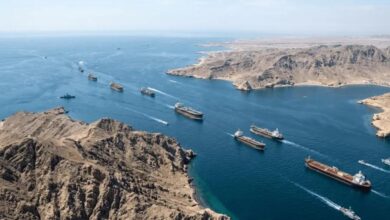
The Strait of Hormuz, a critical artery for global energy supplies, has emerged as the central flashpoint. Disruptions in shipping routes have already pushed oil prices sharply higher, with Brent crude nearing $95 per barrel and US crude posting significant gains within a single trading session. European stock markets reacted negatively, reflecting investor anxiety over supply disruptions and inflation risks.
Despite diplomatic efforts, including proposed peace talks expected to be hosted in Pakistan, uncertainty persists over participation and outcomes. Iran has not confirmed its involvement, while US messaging has remained mixed, combining assertions of progress with warnings of strong retaliation if hostilities resume.
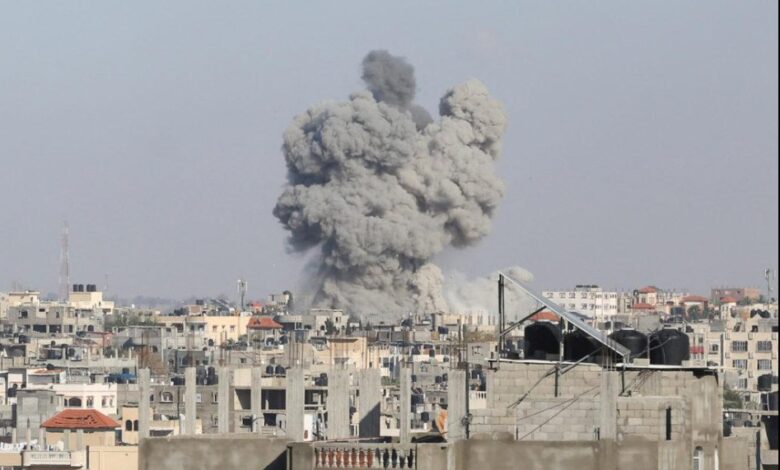
On the ground, violence has continued in Gaza, where Israeli strikes reportedly killed at least five people in the past day, according to local officials. Clashes have been reported in southern areas including Khan Younis, indicating that ceasefire conditions remain fragile and inconsistently enforced.
The broader regional situation remains volatile, with Lebanon also witnessing ongoing military activity linked to the wider conflict. The cumulative toll of the recent escalation across the region has crossed several thousand casualties, reflecting the sustained intensity of hostilities.
Global powers, including European nations, Russia, and China, have urged restraint and called for immediate de-escalation. There have also been renewed appeals to ensure the reopening and security of the Strait of Hormuz to stabilize global energy markets.
Separately, developments outside the immediate conflict zone added to the global news cycle. A powerful earthquake struck off the coast of Japan, while a large-scale fire in Borneo destroyed hundreds of homes, highlighting parallel humanitarian concerns.
The current situation reflects a convergence of military tension, economic vulnerability, and diplomatic uncertainty. With critical shipping routes under strain and ceasefire claims contested, the risk of further escalation remains high, even as international efforts continue to prevent a broader conflict. [KNT]
© Kashmir News Trust (KNT). Unauthorized use without attribution is prohibited.